Now available for $1,499!
If you’re looking for the ultimate winter project, here’s a nice starting point for you!
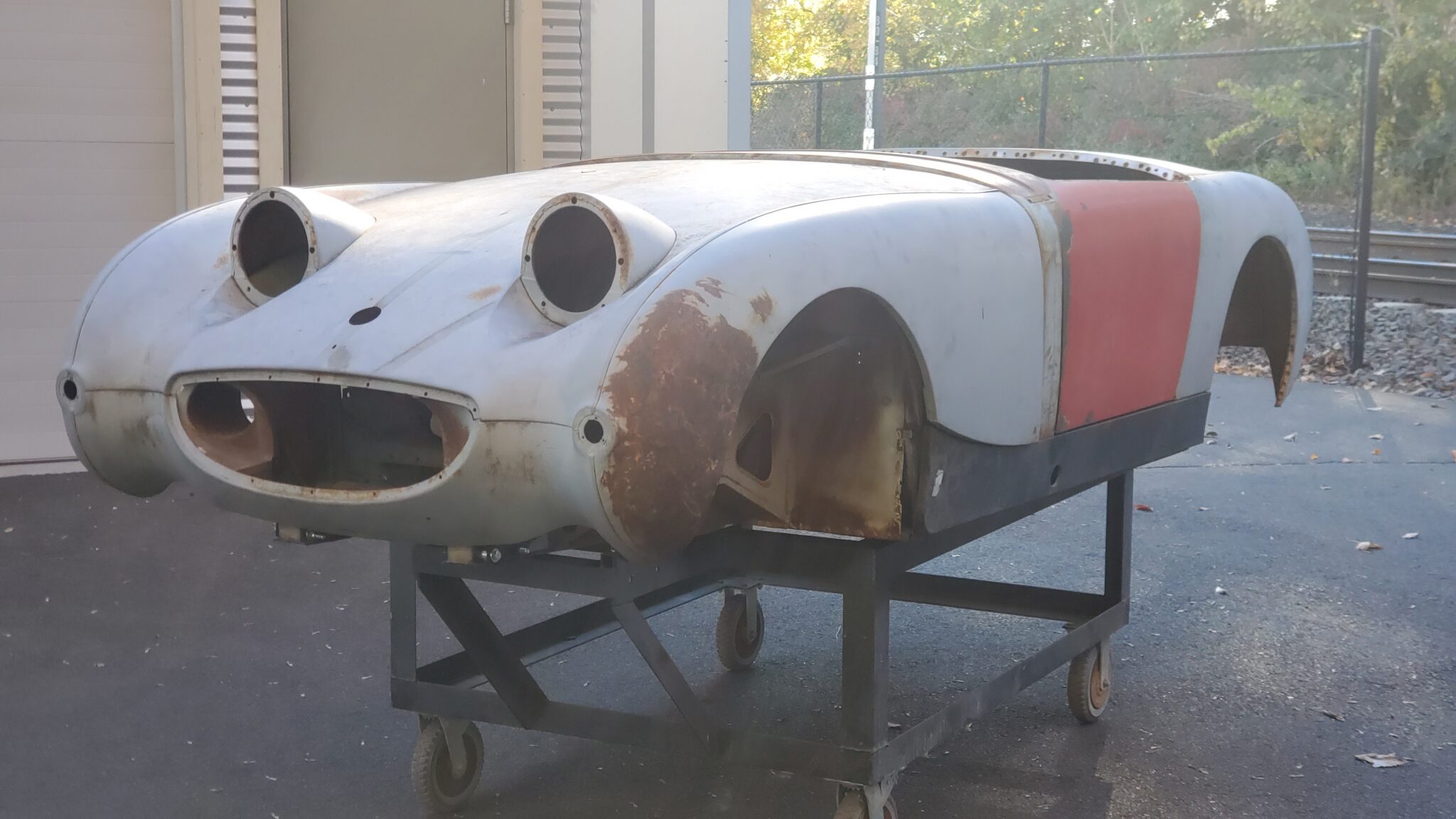
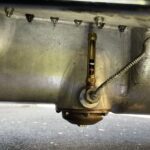
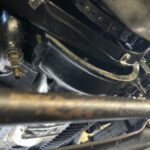
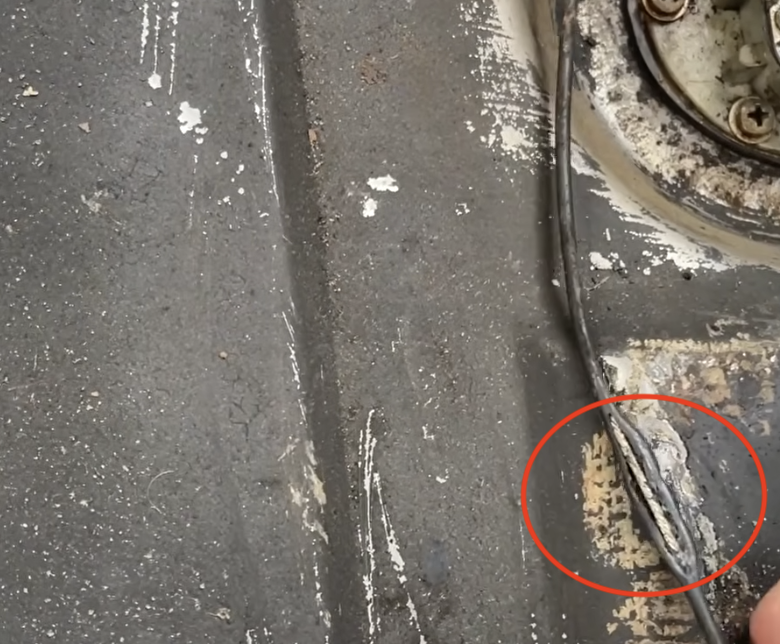
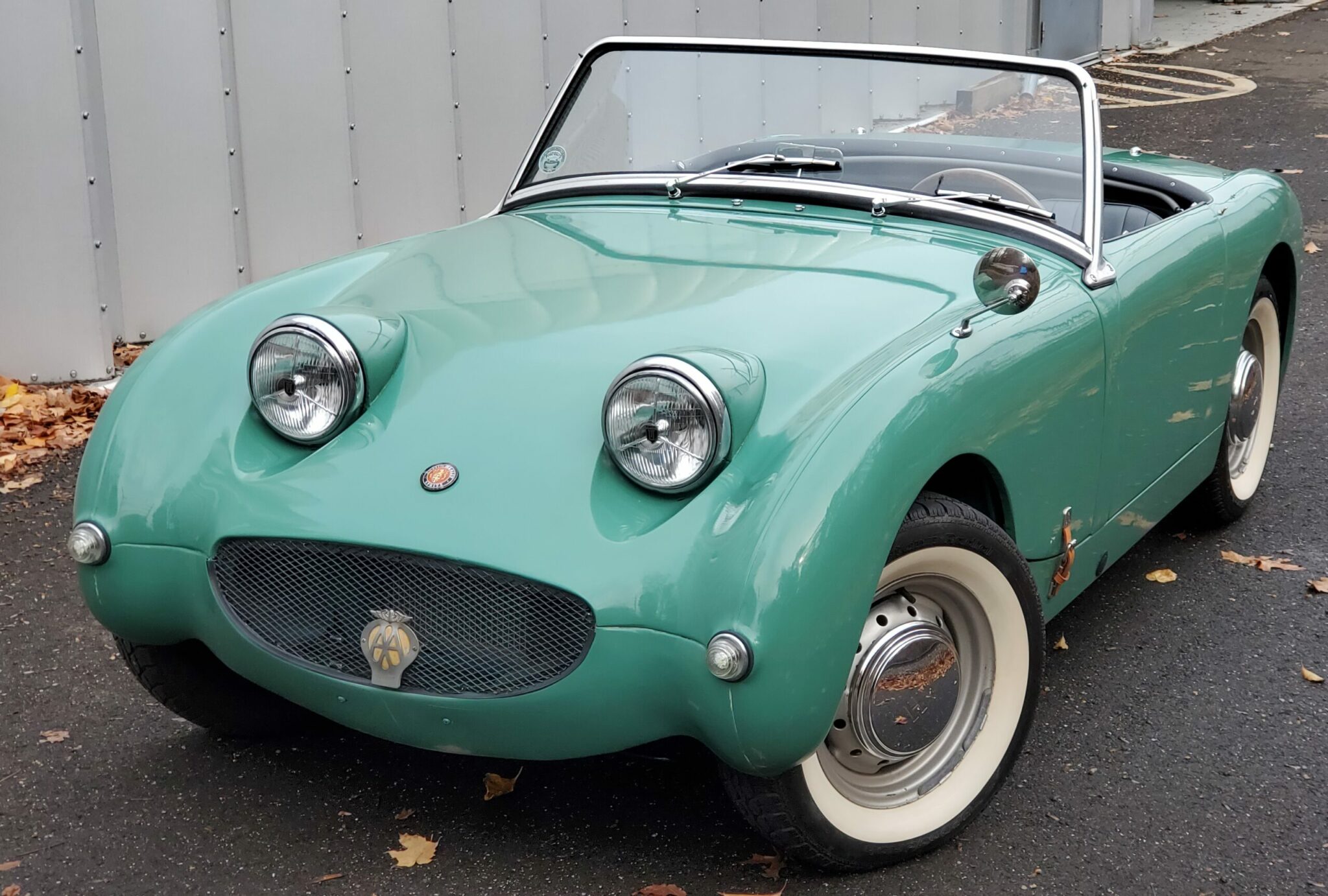
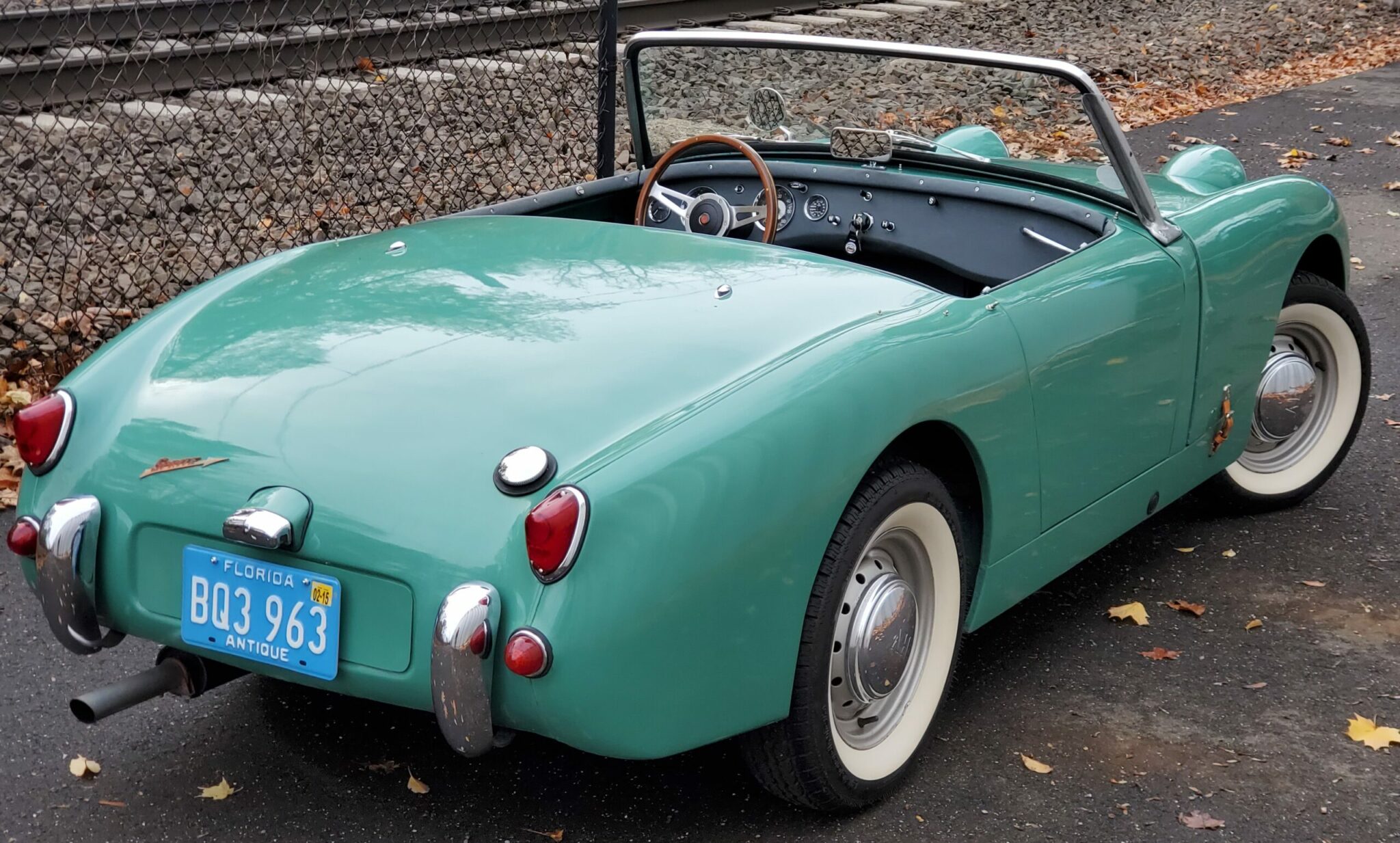
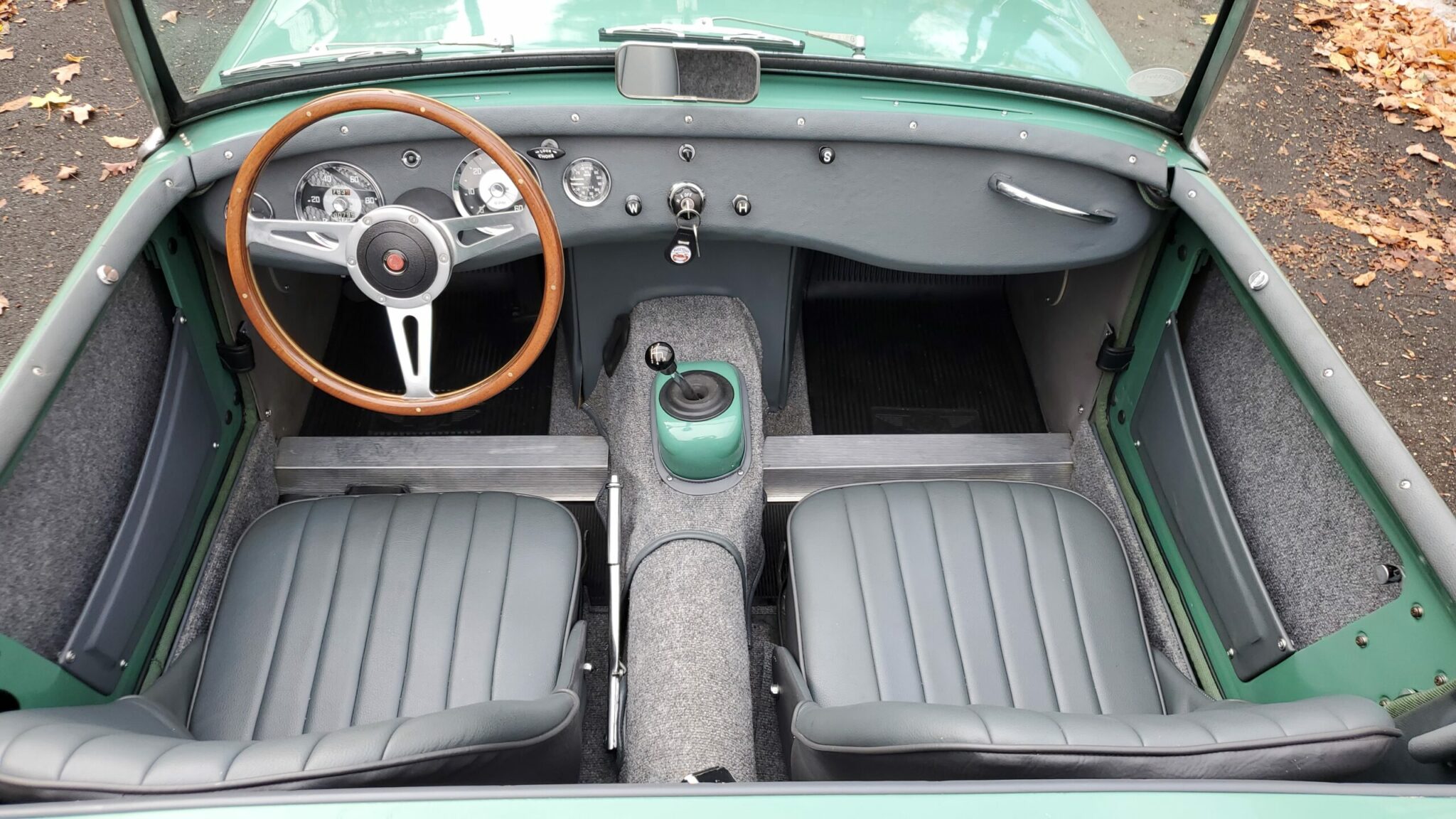
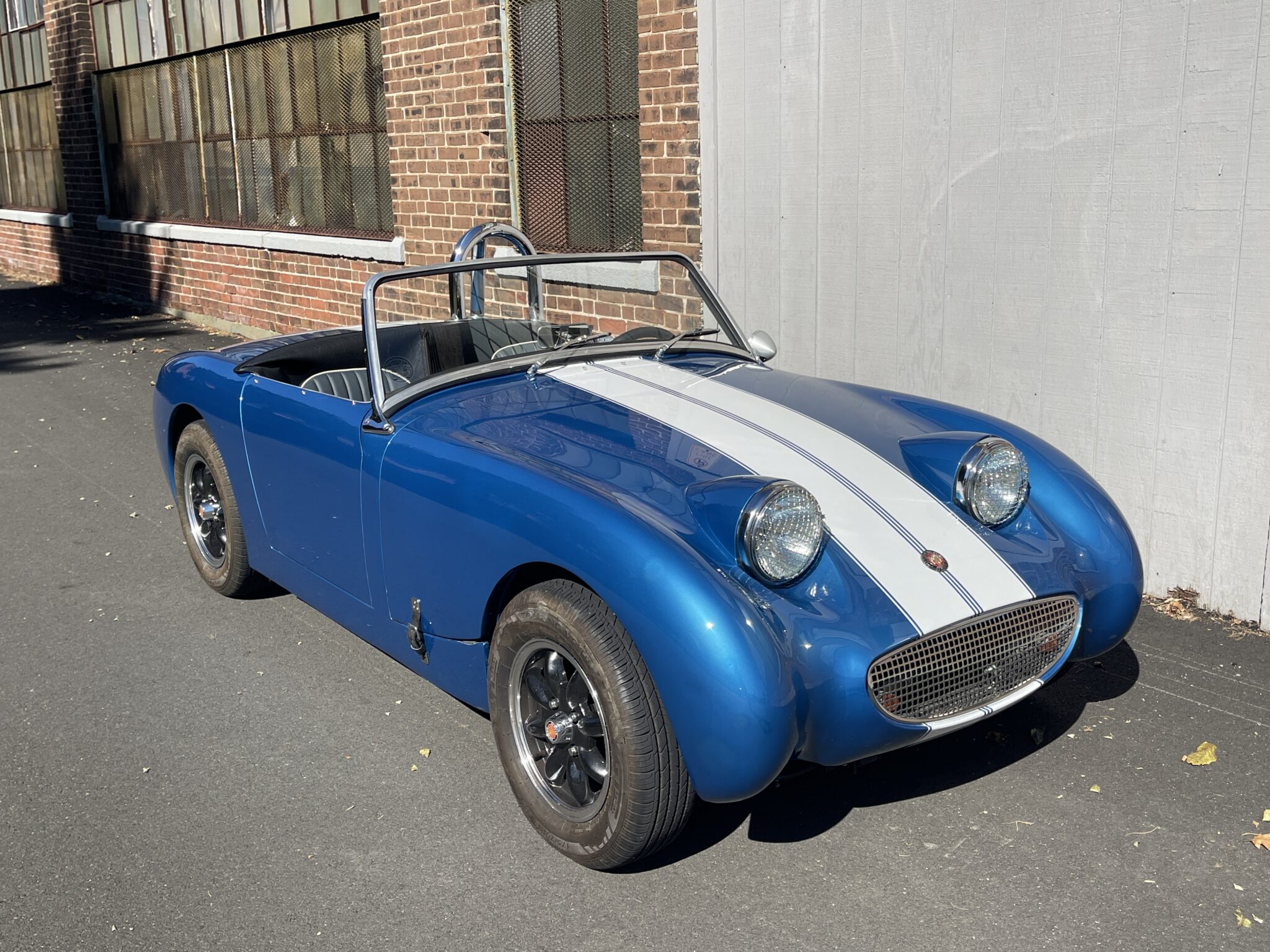
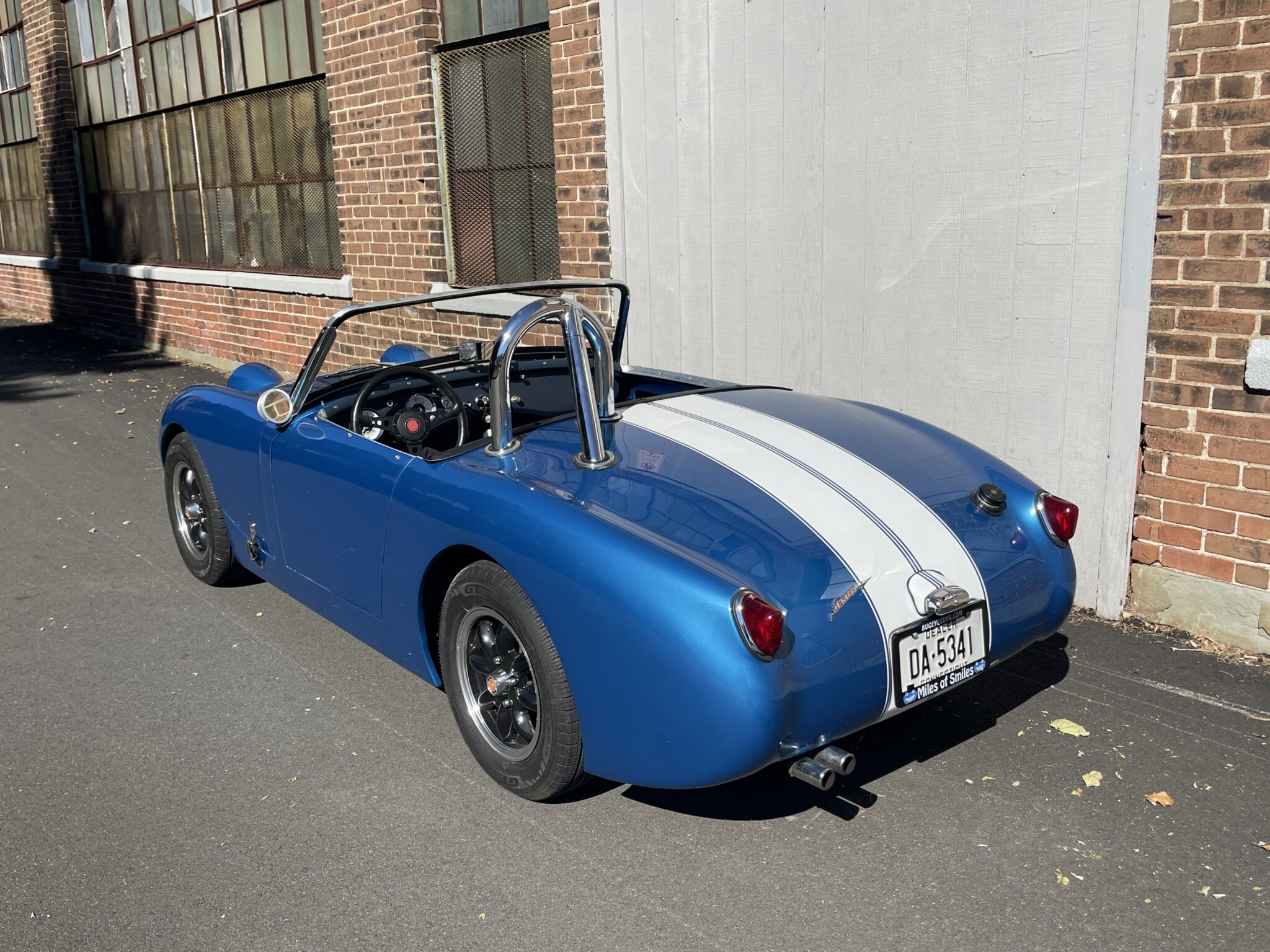
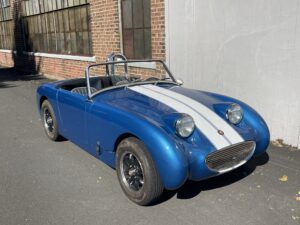
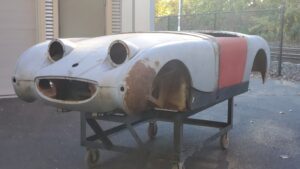
This is a rebuildable Bugeye tub with a quite nice nose ready for someone looking for a fun hands-on project. It’ll need a lot of fabrication and patching and bodywork to make it beautiful again, but it’s a great starting point, and we’re happy to help you whip it into shape with parts and technical support!
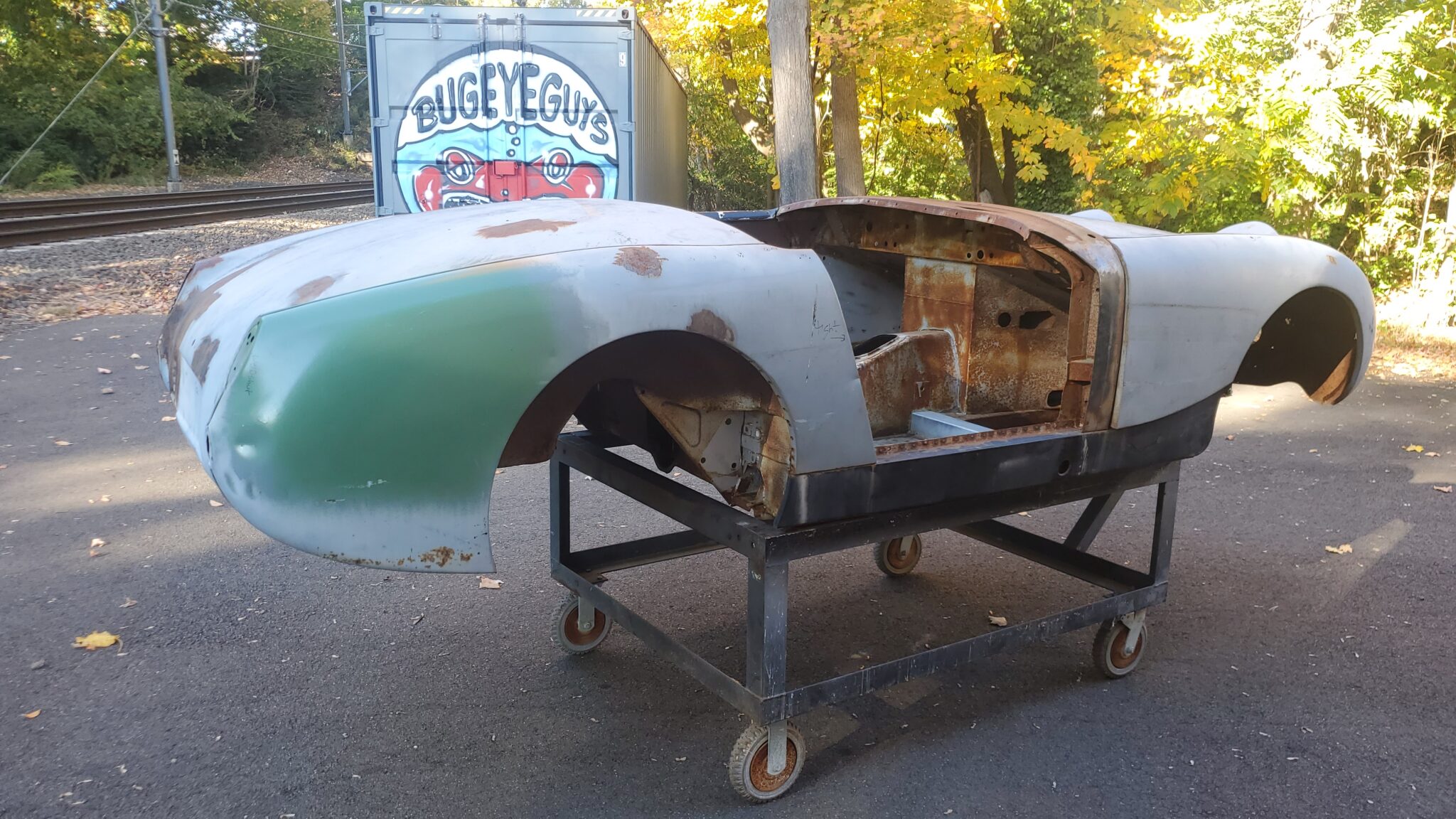
This is a tub that belonged to one of our customers for many years, but he has decided to have us move in a different direction, so this car is now available at a very reasonable price. You can check out the video below for more details and feel free to call if you need more information!
Here’s a chance to get into the Bugeye world from a very low upfront cost and get started on a mission to bring another Sprite back onto the road! Click “read more” for the complete photo gallery! NOTE: cart not included.
[Read more…] about Tub time